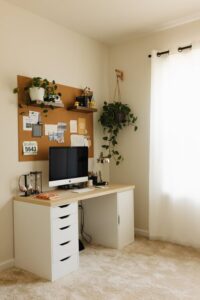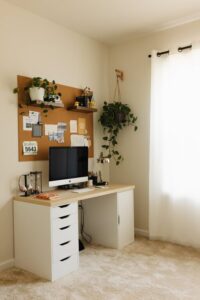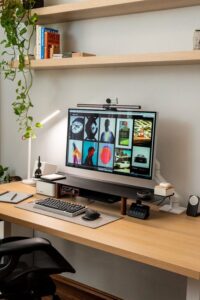
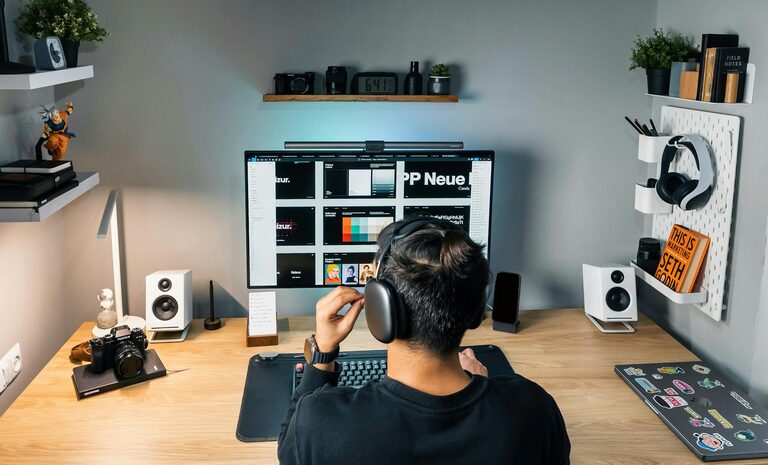
Creating an inviting and functional home workspace is essential for anyone who works from home or spends a significant amount of time at their desk. A well-designed workspace can enhance your productivity, improve focus, and make your working hours more enjoyable. Whether you have a dedicated room or just a small corner, these tips will help you optimise your home workspace to suit your needs.
1. Choose the Right Spot
Finding the perfect location for your workspace is the first step. Ideally, choose a quiet area with minimal distractions. A room with natural light is preferable as it boosts mood and reduces eye strain. If space is limited, consider a corner in your living room or bedroom that can be clearly defined as your workspace.
Consider these factors:
– Distance from noisy areas like the kitchen or TV
– Access to power outlets for your devices
– Adequate space for your desk, chair, and storage
2. Invest in a Comfortable Chair and Desk
Comfort is key when setting up your workspace to avoid physical discomfort and long-term health issues.
– Ergonomic chair: Look for a chair that supports good posture with adjustable height, lumbar support, and comfortable cushioning.
– Desk height: Your desk should allow your arms to rest comfortably at a 90-degree angle while typing.
– Desk size: Ensure your desk has enough surface area for your computer, notebooks, and other essential tools without feeling cramped.
3. Optimise Lighting
Proper lighting prevents eye strain and helps maintain alertness throughout the day.
– Natural light: Set up near windows if possible, but avoid glare on your screen by positioning your desk at a right angle to the window.
– Task lighting: Use an adjustable desk lamp for focused work, especially during darker hours.
– Ambient lighting: A well-lit room with soft overhead lights can reduce shadows and create a welcoming atmosphere.
4. Keep Organised with Storage Solutions
Clutter can be distracting and draining, so having effective storage is important for a tidy workspace.
– Use desk organisers like trays, pen holders, and file racks to keep supplies accessible yet orderly.
– Incorporate shelves or a filing cabinet to store documents, books, and other items.
– Consider storage boxes or baskets to hide miscellaneous clutter while keeping your desk clear.
5. Personalise Your Space
Adding personal touches can make your workspace more inviting and motivate you to spend time there.
– Add plants to introduce a bit of nature — they can improve air quality and reduce stress.
– Hang inspirational artwork or photos that make you happy or motivated.
– Use colourful stationery or desk accessories that reflect your style but don’t overwhelm the space.
6. Minimise Distractions
Establishing boundaries between your work and home life helps improve focus.
– Use noise-cancelling headphones or play background music if noise is an issue.
– Keep your phone on silent or in another room to reduce temptations.
– Set clear working hours and communicate them with family or housemates to reduce interruptions.
7. Manage Cables and Technology
Tangles of cables and disorganised devices can create a distracting mess.
– Use cable clips or sleeves to keep cords organised and off the floor.
– Choose wireless devices where possible to reduce clutter.
– Position your computer screen at eye level to avoid neck strain; a monitor stand may help.
8. Maintain Good Air Quality and Temperature
A comfortable environment supports better concentration and comfort.
– Open windows regularly to let fresh air circulate.
– Use a fan or heater to maintain a pleasant temperature depending on the season.
– Houseplants can also help purify the air naturally.
9. Incorporate Movement into Your Routine
Your workspace should encourage healthy habits.
– Consider a standing desk or a desk converter for alternating between sitting and standing.
– Keep space for stretching or short exercises during breaks.
– A small yoga mat or foam roller nearby can help reduce stiffness.
10. Regularly Refresh Your Workspace
Your needs may change over time, so it’s worth reviewing your setup periodically.
– Declutter regularly to keep things from piling up.
– Rearrange your space if certain areas don’t work well or if your workflow changes.
– Update your resources and décor to keep the environment inspiring.
—
By thoughtfully designing your home workspace to be both inviting and functional, you’ll create an environment that supports productivity and wellbeing. Remember, the key is to balance comfort, organisation, and personal style—it’s your space, so tailor it to what works best for you.