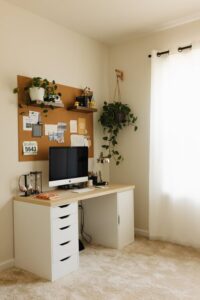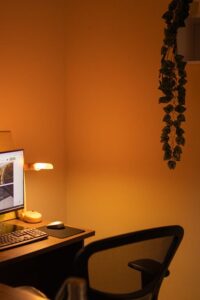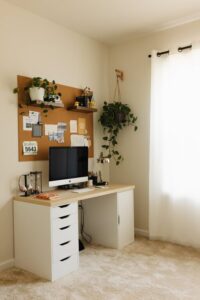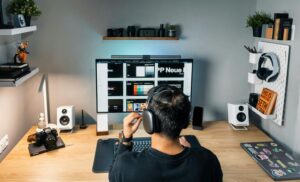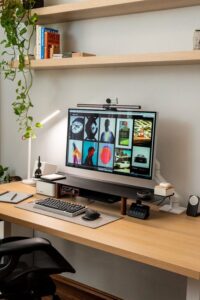
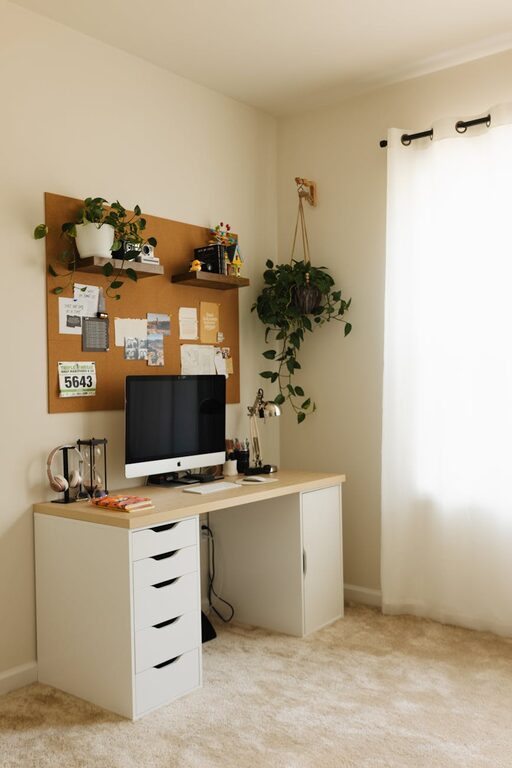
Working from home has become a significant part of many people’s lives. Whether you’re freelancing, studying, or simply catching up on tasks, having a productive home workspace makes all the difference. But building a space that truly fits your lifestyle isn’t just about plonking a desk and chair in a corner. It requires thoughtful planning to create an environment that nurtures focus, comfort, and creativity.
In this post, we’ll explore practical tips to help you set up a home workspace that supports your work habits and personal needs.
Understand Your Work Habits and Lifestyle
Before you start rearranging furniture or buying new equipment, take a moment to reflect on your work style.
– Identify peak work times. Do you work best in the morning, afternoon, or late at night? Your workspace should accommodate your natural rhythms.
– Consider your tasks. Are you mostly writing, taking calls, designing, or managing data? Different tasks demand different setups.
– Account for distractions. Think about what commonly interrupts your flow and how your environment may affect those distractions.
By understanding these aspects, you can design a space tailored specifically to how you function best.
Choose the Right Location
Selecting the ideal spot in your home sets the foundation for an effective workspace.
Factors to Consider:
– Natural light: Position your desk near a window if possible. Natural light improves mood and reduces eye strain.
– Quietness: A room away from busy household areas or noisy roads can help maintain concentration.
– Space: Ensure there’s enough room for your equipment and to move comfortably.
– Ventilation: A well-ventilated space keeps air fresh, which supports alertness.
If space is limited, try to find a nook or use room dividers to create a dedicated work zone separate from leisure spaces.
Invest in Comfortable, Supportive Furniture
Your comfort directly impacts your productivity and health. Avoid setups that cause discomfort or strain.
– Desk: Choose one with enough surface area for your devices and work materials.
– Chair: Opt for an ergonomic chair that supports your back and encourages good posture.
– Accessories: Consider footrests, monitor stands, or adjustable keyboards if they suit your needs.
Remember, comfort doesn’t mean luxury; even budget-friendly items can be supportive and practical.
Minimise Clutter and Organise Efficiently
A tidy workspace reduces stress and helps maintain focus.
Tips for Organisation:
– Use drawers and shelves to keep documents and supplies out of sight.
– Employ cable management tools to reduce visual mess from wires.
– Keep essential items within arm’s reach, but avoid overcrowding your desk.
– Label storage containers or files to find items quickly.
Regularly declutter to maintain a clean environment that encourages productivity.
Personalise Your Space Thoughtfully
Adding personal touches makes your workspace inviting without distracting from work.
– Add plants: A small plant can improve air quality and add a calming natural element.
– Artwork or photos: Choose pieces that inspire or comfort you.
– Lighting: Use warm desk lamps or adjustable lighting to create a pleasant atmosphere.
Ensure these elements don’t overwhelm or interrupt your focus.
Set Boundaries Between Work and Home Life
Especially when working remotely, it’s vital to separate work time from personal time.
– Create clear start and finish times for your workday.
– Use physical or visual cues (such as a closed door or a specific object) to signify work hours.
– Communicate your schedule with housemates or family to minimise interruptions.
This balance helps you prevent burnout and maintain motivation.
Utilise Technology Wisely
The right tools enhance your efficiency and comfort.
– Choose reliable hardware and software that meet your work demands.
– Use apps or timers to manage tasks and breaks effectively.
– Invest in quality headphones or microphones if your work involves frequent calls.
Be mindful not to overload your space with unnecessary gadgets that may cause distraction.
Prioritise Wellbeing
A productive workspace supports not just work output but also your wellbeing.
– Take regular breaks to stretch and rest your eyes.
– Incorporate movement by using a standing desk or sitting on an exercise ball if desired.
– Keep water nearby and maintain good posture.
Your physical and mental health contributes greatly to productivity.
Regularly Review and Adapt Your Workspace
Your needs may change over time, so continually assess your workspace.
– Make adjustments as your tasks evolve or as you discover what works best.
– Don’t hesitate to rearrange or replace items that no longer serve you.
A flexible mindset ensures your workspace remains effective and enjoyable.
—
Creating a productive home workspace tailored to your lifestyle is a valuable investment. By thoughtfully planning your location, furniture, organisation, and boundaries—and by prioritising comfort and wellbeing—you set yourself up for success, whether you’re working full-time from home or occasionally catching up on tasks. Remember, the best workspace is one that feels right for you and helps you do your best work.