
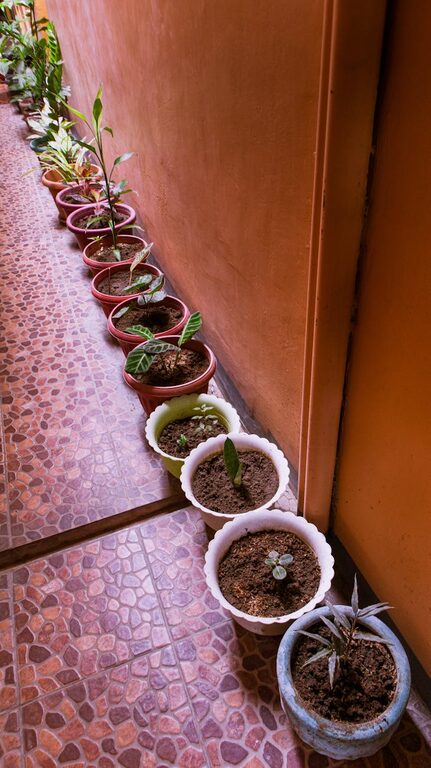
Creating a sustainable and beautiful home garden throughout the year is a rewarding goal that combines creativity with responsible environmental care. Whether you have a spacious garden or a cosy balcony, planning your planting and maintenance in tune with the seasons can help you enjoy fresh greenery and blooms all year, while minimising waste and resource use.
Here are helpful tips and strategies for establishing a garden that thrives sustainably and looks great from spring to winter.
Understand Your Local Climate and Soil
Before planting, it’s essential to learn about your local climate conditions, including typical temperatures, rainfall patterns, and frost dates. This knowledge helps you select plants suited to your area, reducing the need for extra watering or protection.
Soil quality plays a huge role too. Test your soil for pH and nutrient levels. You can get affordable test kits or consult local garden centres. Enhancing soil health naturally with organic matter like compost boosts plant growth and reduces dependency on chemical fertilisers.
Choose Native and Drought-Tolerant Plants
Selecting native plants is a key step towards sustainability. Native species thrive in your local environment, attract pollinators like bees and butterflies, and often require less water and care compared to exotic plants.
Incorporate drought-tolerant varieties to save water and cope with dry spells. Examples include lavender, sedum, and ornamental grasses. Grouping plants with similar water needs together (a method called hydrozoning) conserves water by avoiding overwatering.
Plan for Year-Round Interest
A garden that looks good every season is achieved by mixing different types of plants. Consider these groups:
– Evergreens: Provide structure and colour in winter.
– Flowering perennials: Offer repeating blooms across seasons.
– Bulbs: Spring and autumn bulbs like daffodils and crocuses brighten early and late months.
– Shrubs and trees: Add height, shade, and shelter for wildlife.
Using layers in your planting scheme—from ground cover to shrubs and trees—creates visual interest and supports biodiversity.
Grow Your Own Food and Herbs
Incorporate edible plants into your garden for fresh produce and herbs throughout the year. Some easy, sustainable options include:
– Leafy greens: Spinach, kale and lettuce grow quickly and can be harvested repeatedly.
– Herbs: Rosemary, thyme, and chives are hardy, low-maintenance, and enhance cooking.
– Fruit bushes: Raspberries and blackcurrants suit cooler climates and provide delicious seasonal fruit.
Companion planting, where certain plants are grown together for mutual benefit, reduces pests and improves yields naturally.
Use Organic and Natural Gardening Practices
Avoid synthetic pesticides and fertilisers that can harm beneficial insects, soil health, and water quality. Instead:
– Use homemade compost and mulch to feed plants and retain moisture.
– Introduce natural pest controllers like ladybirds and spiders.
– Employ crop rotation and planting diversity to stop pest build-up.
– Handpick pests where feasible.
These methods support a balanced garden ecosystem and protect the environment.
Collect and Conserve Water
Water conservation is vital for sustainability. Set up rainwater harvesting systems such as barrels to collect runoff from roofs. This water can be used to irrigate your garden during dry spells.
Employ efficient watering techniques:
– Drip irrigation delivers water directly to roots, reducing waste.
– Water early in the morning or late in the evening to lower evaporation.
– Mulch soil surfaces to keep moisture locked in.
Adjust watering frequency seasonally according to plant needs.
Create Habitats for Wildlife
A lively garden supports important wildlife like bees, butterflies, birds, and hedgehogs. Encourage them by:
– Planting a variety of flowering plants that bloom at different times.
– Providing bird feeders, nests, and water sources.
– Leaving some fallen leaves and logs for insects and shelter.
– Avoiding chemical treatments that harm beneficial species.
Wildlife helps pollinate plants and control pests naturally.
Maintain and Adapt Your Garden Through the Year
Regular maintenance keeps your garden healthy and attractive. Key seasonal tasks include:
Spring
– Prepare beds by clearing debris and adding compost.
– Sow seeds indoors or directly outside.
– Prune shrubs after flowering.
Summer
– Mulch to retain moisture and suppress weeds.
– Keep up watering, especially during dry spells.
– Deadhead flowers to encourage more blooms.
Autumn
– Harvest remaining fruits and vegetables.
– Plant bulbs for spring.
– Collect fallen leaves for compost.
Winter
– Protect sensitive plants from frost with fleece.
– Plan next year’s garden layout.
– Clean and maintain tools.
Adjust your care routine depending on weather and garden needs, always aiming to conserve resources.
Conclusion
Building a sustainable and beautiful garden through the year is an enjoyable process that benefits both you and the environment. By selecting the right plants, practising organic methods, conserving water, and supporting wildlife, you create a vibrant outdoor space that flourishes in every season. Start small, stay observant, and let your garden evolve naturally as you learn what works best in your unique location. Happy gardening!